Senior Dog Care: 5 Tips for Healthy Aging (Vet Verified)

As your pup gets older, certain changes are inevitable. Learn what matters most regarding senior dog care, and how to adapt in order to ensure your four-legged friend is comfortable.
What Is Senior Dog Care and Why Does It Matter?
Senior dog care involves adjusting your dog’s diet, exercise, and health monitoring as they age. The most important step is consistent tracking of subtle changes in breathing, activity, sleep, and water intake, since early detection of health issues significantly improves outcomes. Starting a proactive routine before problems appear gives your senior dog the best chance at a long, comfortable life.
Key Takeaways
- Dogs are generally considered senior at 7 years old, though this varies by breed and size
- Subtle changes in breathing rate, activity, or water intake can signal underlying health issues
- Vet visits should increase to twice a year once your dog reaches senior age
- Consistent at-home monitoring gives your veterinarian more useful data to work with
- Tools like Maven Pet can help you track trends before they become emergencies
What Does Senior Dog Care Involve?
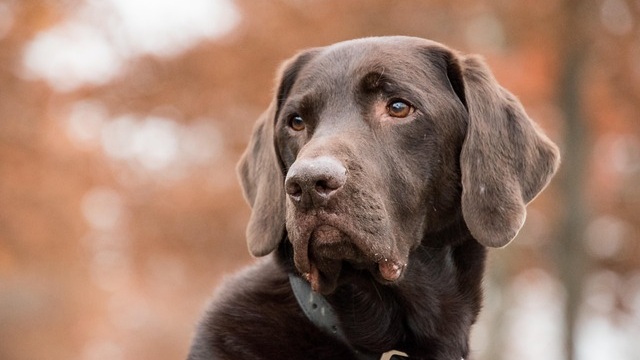
As dogs age, their bodies change in ways that aren’t always obvious at first glance. Senior dog care means staying one step ahead of those changes: adjusting daily routines, scheduling more frequent vet visits, and paying closer attention to the subtle signs that something may be shifting.
According to the American Veterinary Medical Association (AVMA), senior pets are more likely to develop conditions like arthritis, kidney disease, diabetes, and cognitive dysfunction. The good news is that many of these conditions are manageable when caught early.
How to Care for a Senior Dog Day-to-Day
Daily care for a senior dog looks different than it did when they were younger. Here are the core areas to focus on:
Nutrition: Senior dogs often need fewer calories but more targeted nutrients. Talk to your vet about switching to a senior-formulated diet that supports joint health and organ function.
Exercise: Gentle, consistent activity remains important. Shorter, more frequent walks are often better than long intense ones. If your dog shows signs of stiffness or reluctance to move, dog arthritis may be a factor worth discussing with your vet.
Sleep and rest: Older dogs sleep more, and that’s normal, but changes in rest patterns can also signal discomfort or pain. A dog sleep tracker can help you identify shifts in rest quality over time.
Mental stimulation: Cognitive decline is real in aging dogs. Keep their minds active with gentle puzzle feeders, new smells on walks, and regular social interaction.
“I got the Maven sensor for my 14-year-old Chihuahua mix with heart and trachea issues. It gave me back peace of mind – I can track her RRR, BPM, drinking, and activity anytime and know instantly if something’s wrong. Highly recommend!”

★★★★★
Chiara De Luca
Titti
5 Tips for Senior Dog Care
1. Schedule Biannual Vet Visits
VCA Hospitals recommends that senior dogs see a veterinarian at least twice a year. Because dogs age faster than humans, a lot can change in six months. More frequent check-ups allow for earlier bloodwork, earlier imaging, and earlier intervention.
2. Monitor Resting Respiratory Rate at Home
Senior dogs have a narrower respiratory margin than younger dogs, which means even subtle changes in their resting respiratory rate can be clinically significant. Count your dog’s breaths per minute while they sleep — a normal range is typically 15 to 30 breaths per minute. Any consistent increase should be reported to your vet.
Pet parents who track this consistently at home give veterinarians much more useful information to work with.
3. Watch Water Intake Closely
Increased thirst can be an early sign of kidney disease, diabetes, or Cushing’s disease, all of which are more common in older dogs. According to Texas A&M Veterinary Medicine & Biomedical Sciences, tracking water consumption over time is one of the most underutilized tools in at-home health monitoring.
4. Track Activity and Mobility Trends
A gradual decline in activity is easy to miss day-to-day, but becomes clear when you look at data over weeks or months. Using a pet health tracker can help you identify when your dog started moving less, which is information that is clinically valuable and easy to overlook without consistent tracking.
5. Keep a Health Journal or Use a Monitoring App
Whether it’s a notebook or a pet health app, documenting daily observations builds a picture of your dog’s baseline. This makes it far easier to notice when something is off and gives your vet the context they need to make informed decisions.
What Health Changes Should You Watch For?

Cornell University College of Veterinary Medicine notes that the following changes in senior dogs warrant prompt veterinary attention:
- Increased or decreased appetite
- Changes in water intake
- Difficulty rising, climbing stairs, or jumping
- Coughing, labored breathing, or increased respiratory rate at rest
- Lumps, bumps, or changes in body weight
- Behavioral changes, disorientation, or house-training regression
- Excessive scratching or skin changes
How Often Should Senior Dogs See the Vet?
Once your dog reaches senior age, typically around 7 years, though large breeds age faster, biannual veterinary visits are recommended. These appointments should include a full physical exam, bloodwork, and urinalysis to catch early signs of organ dysfunction.
Between visits, at-home monitoring fills the gap. The more consistent the data you bring to your vet, the more actionable the conversation.
Why Monitoring Matters More With Age
“Senior dogs benefit greatly from consistent routines and close monitoring. Small changes in activity, resting respiratory rate, or water intake can signal underlying health issues, and catching these early can make a significant difference in quality of life.” Carolina Domingues, DVM, Veterinarian at Maven Pet
Aging dogs don’t always show obvious signs of illness until a condition is already advanced. That’s why patterns matter, particularly in senior dogs, where even what owners perceive as normal may already warrant clinical attention.
A single data point tells you very little. A trend tells you everything.
How Maven Helps
The Maven Pet Health Monitor is designed specifically for the kind of continuous, passive monitoring that makes a difference in senior dog care.
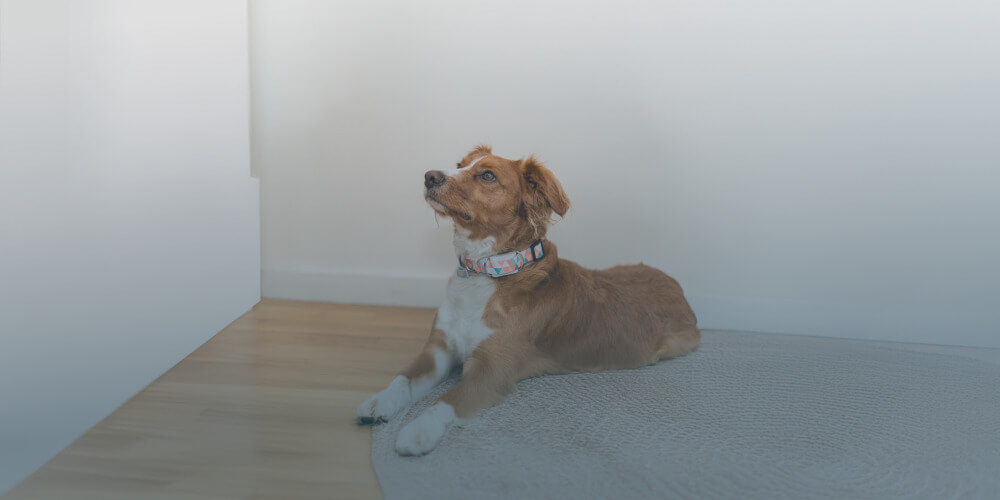
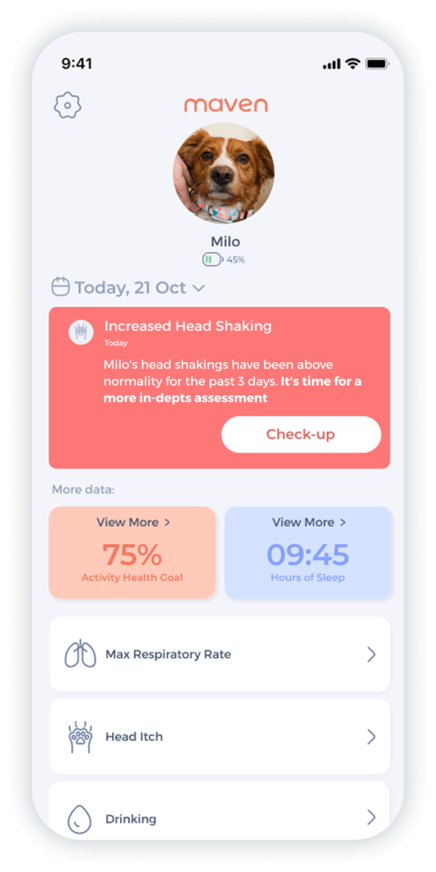
Monitor heart rate, respiratory rate, activity & rest, drinking, itch behavior.
Maven tracks:
- Activity levels continuously, identifying gradual mobility decline before it becomes severe
- Rest patterns, detecting increased sleep or signs of nighttime discomfort
- Heart rate trends, which may signal early cardiovascular changes
- Resting respiratory rate, a key early indicator of respiratory or cardiac issues
- Scratching behavior, helping identify skin conditions or hidden discomfort
- Water intake, helping detect early signs of kidney disease or diabetes
Over time, Maven builds a personalized baseline for your dog and sends alerts when meaningful deviations occur, giving you and your vet the data needed to act early, not reactively.
FAQ (Vet-Reviewed)
Focus on regular vet visits, a senior-appropriate diet, gentle daily exercise, and consistent at-home monitoring of key metrics like breathing rate, activity, and water intake.
At least twice a year. Senior dogs age quickly, and biannual visits allow for earlier detection of age-related conditions.
Slower movement, increased sleep, changes in appetite or thirst, and some cognitive changes are common. Any sudden or progressive changes should be evaluated by a vet.
Maintain a consistent routine, keep them mentally and physically active within their limits, manage pain early, and use monitoring tools to stay ahead of health changes.
Arthritis, kidney disease, heart disease, diabetes, cognitive dysfunction syndrome, dental disease, and cancer are among the most common conditions in older dogs.
Conclusion
Senior dog care isn’t about doing more. It’s about doing the right things consistently. Adjusting your dog’s routine, increasing vet visits, and building a habit of at-home monitoring are the three pillars of healthy aging for dogs.
The earlier you catch changes, the more options you have. And the more data you bring to your veterinarian, the better equipped they are to help your dog thrive in their senior years.
Maven Pet focuses on improving the quality of life of our pets with technology, using artificial intelligence (AI) to enable proactive pet care. By accurately collecting and monitoring pet data 24/7 and flagging any irregularities, Maven Pet empowers pet parents and veterinarians to stay ahead of potential health issues, ensuring the well-being and longevity of our beloved companions.